
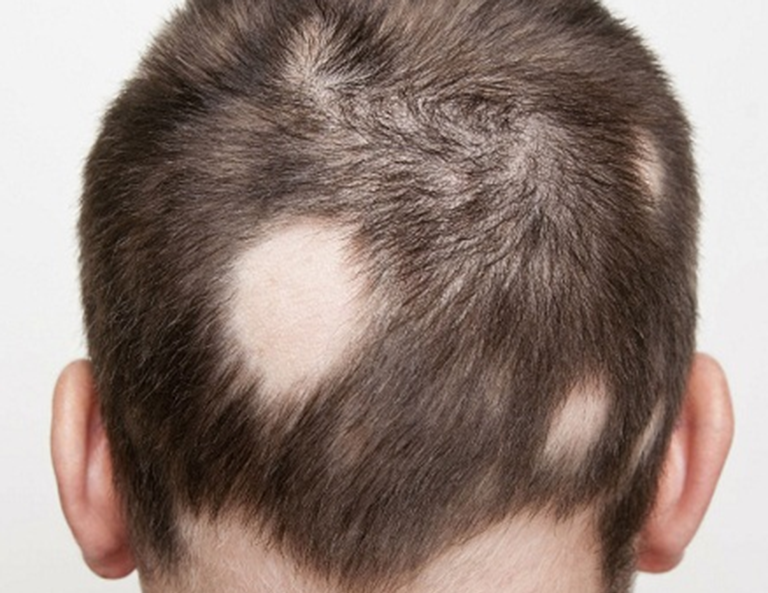
Numerous prevalent medical conditions associated with alopecia areata were identified in a large systematic review and meta-analysis published in the American Journal of Clinical Dermatology.
Researchers searched PubMed, Embase, and Web of Science from inception to February 2023, screening 3428 abstracts and titles and reviewing 345 full-text articles for eligibility. Their criteria included all case-control, cross-sectional, and cohort studies investigating at least 1 medical comorbidity in patients with alopecia areata. In all, the researchers evaluated 102 studies, totaling 680,823 patients with alopecia areata and 72,011,041 healthy controls.
The researchers calculated the prevalence of 149 different medical conditions in patients with alopecia areata in the analysis, as well as odds ratios (ORs) for 113 diseases. Of these, 57 had positive odds. The strongest associations were found for ocular diseases (OR 3.15; 95% CI, 1.91-5.18), thyroid diseases (OR 3.13; 95% CI, 2.38-4.13), and connective tissue and autoimmune diseases (OR 2.28; 95% CI, 1.75-2.97). Other comorbid diseases with high ORs included neurologic diseases (OR 2.06; 95% CI, 1.02-4.14), dermatologic diseases (OR 1.94; 95% CI, 1.28-2.93), atopic diseases (OR 1.82; 95% CI, 1.51-2.18), hematologic diseases (OR 1.74; 95% CI, 1.13-2.69), gastrointestinal or hepatobiliary diseases (OR 1.52; 95% CI, 1.06-2.18), cardiovascular diseases (OR 1.31; 95% CI, 1.05-1.63), and respiratory diseases (OR 1.17; 95% CI, 1.04-1.32).
When comparing patients with alopecia areata to healthy controls, comorbidities with the highest odds were vitamin D deficiency (OR, 10.13; 95% CI, 4.24-24.20) and systemic lupus erythematous (OR, 5.53; 95% CI, of 3.31-9.23). Vitiligo had an OR of 5.30 (95% CI, 1.86-15.10), metabolic syndrome had an OR of 5.03 (95% CI, 4.18-6.06), and Hashimoto thyroiditis had an OR of 4.31 (95% CI, 2.51-7.40).
Alopecia areata may protect against some medical conditions, such as irritable bowel syndrome and colorectal cancer, given that patients with alopecia areata were found to have lower rates of these conditions compared with healthy individuals.
“While [alopecia areata] is a multifactorial disease,” the researchers wrote, “increased risk of certain systemic comorbidities is likely in part due to overlapping immune-mediated and inflammatory pathways.”
Study limitations include search strategy, utilized databases, selection criteria, and potential confounding variables and selection bias owing to inclusion of observational studies. Additionally, the populations studied may not represent all patients with alopecia areata.
The researchers concluded, “Identifying common comorbidities in patients with [alopecia areata] is crucial for developing appropriate screening criteria, ensuring prompt management, and improving treatment outcomes.”
“While [alopecia areata] is a multifactorial disease,” the researchers wrote, “increased risk of certain systemic comorbidities is likely in part due to overlapping immune-mediated and inflammatory pathways.”
Study limitations include search strategy, utilized databases, selection criteria, and potential confounding variables and selection bias owing to inclusion of observational studies. Additionally, the populations studied may not represent all patients with alopecia areata.
The researchers concluded, “Identifying common comorbidities in patients with [alopecia areata] is crucial for developing appropriate screening criteria, ensuring prompt management, and improving treatment outcomes.”
References:
Ly S, Manjaly P, Kamal K, et al. Comorbid conditions associated with alopecia areata: a systematic review and meta-analysis. Am J Clin Dermatol. Published online July 18, 2023. doi:10.1007/s40257-023-00805-4


