
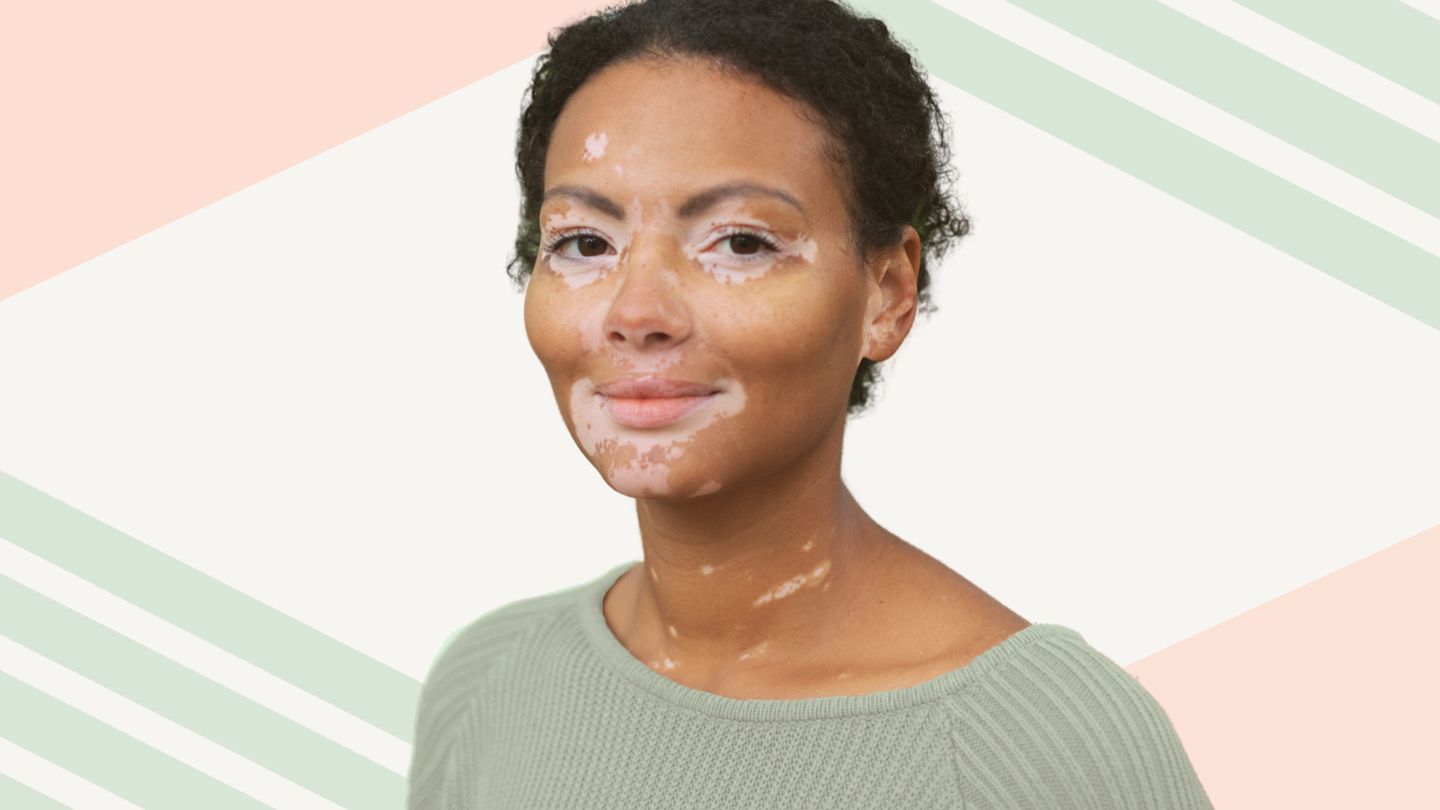
Both healthcare professionals (HCPs) and patients share treatment goals and frustration regarding effective therapy for vitiligo, according to study results published in the British Journal of Dermatology.
After conducting a large cross-sectional global online survey, researchers found that nearly half of patients with vitiligo reported initial misdiagnosis, more than half of patients reported being told that no treatment is available, and one quarter of HCPs reported believing there is no effective therapy for vitiligo. Based on their findings, the researchers concluded that emphasis should be placed on ensuring earlier diagnosis of vitiligo and improved disease management.
Vitiligo — which is associated with increased rates of other autoimmune conditions, anxiety, and depression — may have a quality-of-life impact similar to that of eczema and psoriasis. Prior to the 2022 US Food and Drug Administration approval of ruxolitinib for treatment of nonsegmental vitiligo in patients at least 12 years of age, no approved treatment existed for vitiligo. The researchers of the VALIANT (the Vitiligo and Life Impact Among International Communities) study, therefore, sought to examine the natural history and management of vitiligo from the combined perspectives of patients and HCPs.
An observational online survey was conducted from early May to late June 2021. The survey included 3541 adult patients diagnosed with vitiligo. Patients’ median age was 38 years (range, 18 to 95 years) and 45% were women. The survey also included 1203 HCPs treating patients with vitiligo. Patients were recruited from 17 countries across several regions (Africa/Middle East, Asia, Europe, North America, Australia, and South America) from an opt-in network. Providers (pre-identified by specialty) were recruited from the same countries using an opt-in HCP panel with quotas by region.
Approximately 59% of the included patients reported fairer skin, median age at diagnosis was 30 years (range, 0 to 95 years), and mean disease duration was 12.7 years. Of the HCPs respondents, 91.4% were dermatologists, 8.6% were primary care HCPs. In total, 0.5% of HCP respondents were nurse practitioners or physician assistants. Nearly two-thirds (62.3%) of HCPs self-identified as vitiligo specialists (98.3% of whom were dermatologists).
Nearly half of patients reported greater than 5% body surface area affected, and more than half reported family history. Previous misdiagnosis was reported by 45% of patients, with a mean (SD) time to formal diagnosis of 2.4 (4.1) years.
Additionally, 57% of patients reported being told vitiligo could not be treated, 26% of HCPs believed no effective therapy for vitiligo exists, and 54% of HCPs believed that patients who never treated their vitiligo had been told that no treatment exists. Almost 45% of patients gave up on finding an effective therapy.
Top treatment goals for patients and HCPs were repigmentation (23% and 37%, respectively) and reduction/cessation of spread (25% and 19%, respectively). Treatment by dermatologists or by primary HCPs was perceived by patients as equally effective (66.9% and 67.0%, respectively).
Study limitations include selection bias, restriction of participants to those with internet access, recall bias, and the fact that patients with fairer skin types and those from the United States were overrepresented relative to the global population.
The researchers concluded, “Patients with vitiligo and HCPs reported similar treatment goals and expressed frustration with lack of effective therapies.” They added, “Patients reported high rates of initial misdiagnosis; many ceased seeking healthcare because they perceived that vitiligo could not be treated.” The study findings, they emphasized, “highlight the need for earlier diagnosis and improved disease management for vitiligo.”
References:
Hamzavi IH, Bibeau K, Grimes P, et al. Exploring the natural and treatment history of vitiligo: perceptions of patients and healthcare professionals from the global VALIANT study. Br J Dermatol. Published online July 26, 2023. doi:10.1093/bjd/ljad245


